We have all heard the old saying that you cannot teach an old dog new tricks. As a former physiotherapist, I spent years listening to patients fret that their best years were behind them simply because they turned fifty. It is a pervasive and frankly exhausting myth that our brains are like a leaking bucket, destined to lose their vitality the moment we reach middle age. But I have some wonderful news that will make your day a little brighter: your brain is far more resilient and adaptable than you ever imagined.
The Science of a Resilient Mind
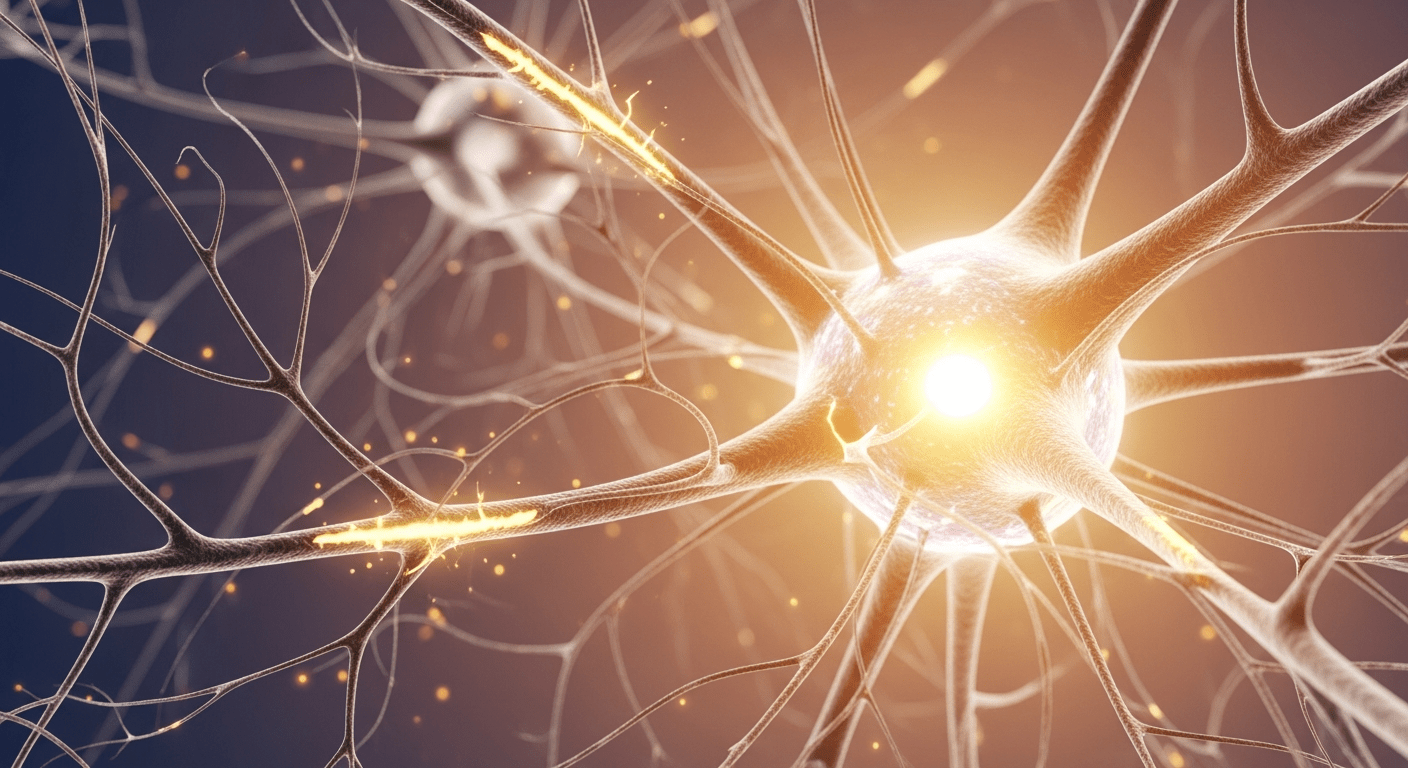
A fascinating three-year study involving nearly 4,000 adults, ranging from age 19 all the way to 94, has officially turned the traditional narrative on its head. Researchers discovered that brain health does not have to decline as we age. In fact, through consistent, small habits, participants showed measurable improvements in cognitive clarity, emotional regulation, and even their sense of purpose. This research underscores the concept of neuroplasticity, which is the brain’s remarkable ability to rewire itself. It is not some ephemeral dream; it is a biological reality we can harness.
Small Wins for a Sharper Future
You do not need to spend hours solving complex puzzles to reap these rewards. The study found that even just a few minutes of focused activity each day leads to significant gains. Here is how you can start today:
- Try a new hobby: Learning to play a simple song on a keyboard or picking up a new language for ten minutes keeps your neural pathways buzzing.
- Prioritize movement: As a physio, I know that what is good for the body is great for the brain. A brisk twenty-minute walk in nature provides the oxygen your brain craves.
- Practice mindfulness: Spend five minutes journaling or deep breathing to improve your emotional well-being and focus.
- Engage in puzzles: Whether it is a crossword, Sudoku, or a strategy game, keeping your mind curious is the ultimate antidote to stagnation.
Remember, growth is a lifelong pursuit, not a race. By integrating these micro-habits into your busy schedule as a parent or professional, you are not just maintaining your current health; you are actively investing in the vibrancy of your future self.
Final Thought
Aging is an inevitable process, but decline is not. Embrace the chance to sharpen your mind and cultivate your curiosity. We are in this together, and I cannot wait to see how you continue to flourish in the years to come.