We often think of fitness as a mechanical process. You lift a weight, your muscle fibers tear, they repair, and voila, you are stronger. In my years of clinical practice as a physiotherapist, I have seen countless patients focus solely on the physical strain of their workouts. But recent scientific findings suggest that the secret to physical stamina is far more cerebral than we previously believed.
The Brain-Body Connection
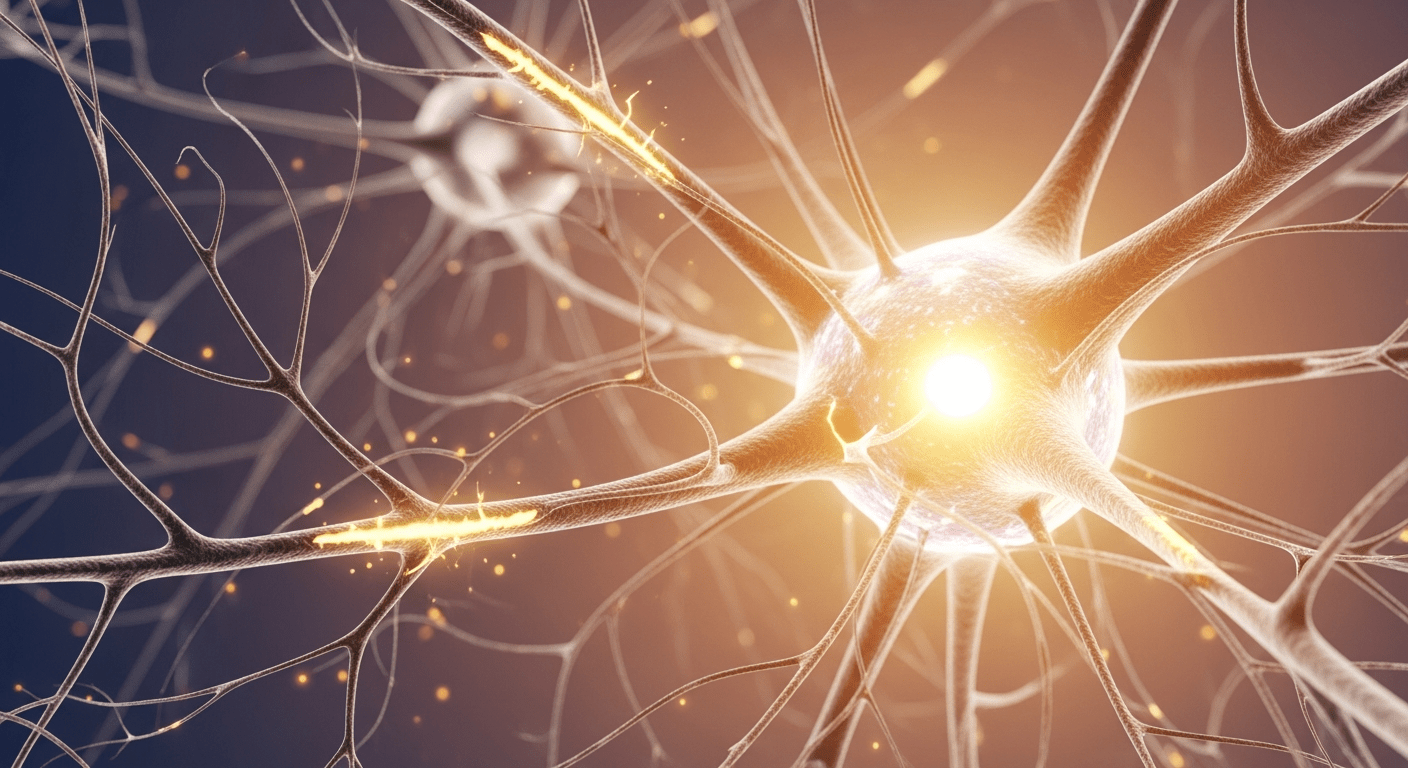
Researchers have recently uncovered that exercise is actually training your brain just as much as your muscles. A fascinating study reveals that specific brain cells remain highly active even after your workout has finished. These lingering signals are not just background noise; they appear to be the command center for building long-term endurance. When scientists blocked these specific neural pathways in experiments, the subjects failed to see improvements in stamina, regardless of how much they moved.
Why This Matters for Your Daily Life
As busy professionals and parents, we often treat exercise as a box to check. However, this study implies that the quality of our recovery and the mental engagement during our movement are paramount. This discovery is truly perspicacious, reminding us that your brain needs to be fully on board to reap the rewards of your physical labor.
Small Wins for Your Fitness Journey
- Practice mindful movement: Instead of listening to a podcast while walking, try focusing entirely on your breath and your surroundings for ten minutes.
- Prioritize post-workout recovery: Give your brain time to process the work you have done by avoiding immediate digital distractions after your session.
- Stay consistent but varied: Engaging your brain with new physical patterns helps keep those neural signals active and effective.
- Focus on quality over intensity: Sometimes a steady, deliberate movement is better for neural adaptation than a high-intensity, mindless burn.
A Final Thought
Remember, your fitness journey is not just about the numbers on a scale or the weight on a barbell. It is about fostering a vibrant, resilient connection between your mind and your body. By understanding that we are training our brains to be more capable, we can approach our daily walks and workouts with a new sense of purpose. Let us keep moving forward, one intentional step at a time.
Sources
Read more about this fascinating brain-body study at Nature.com.